
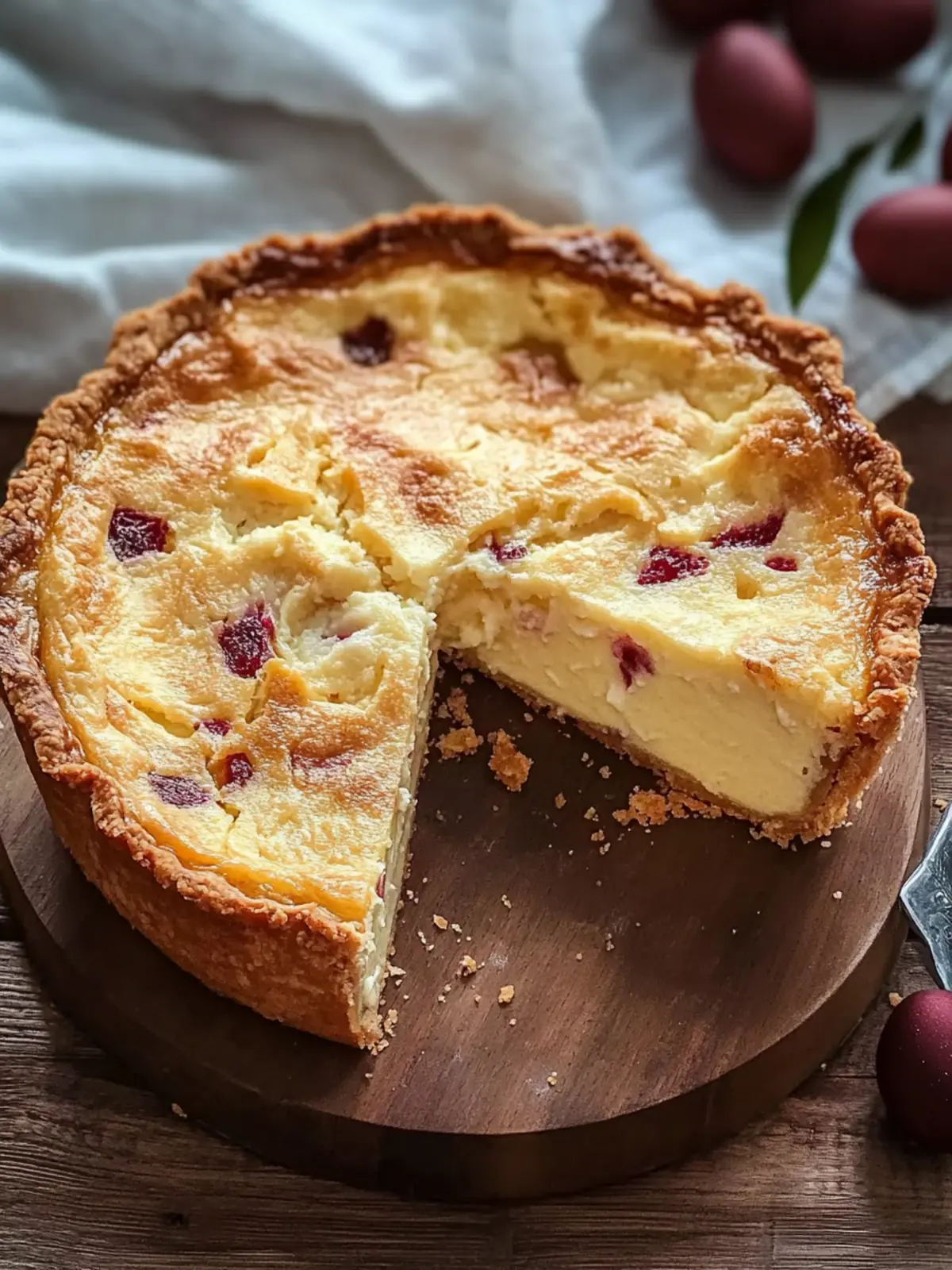
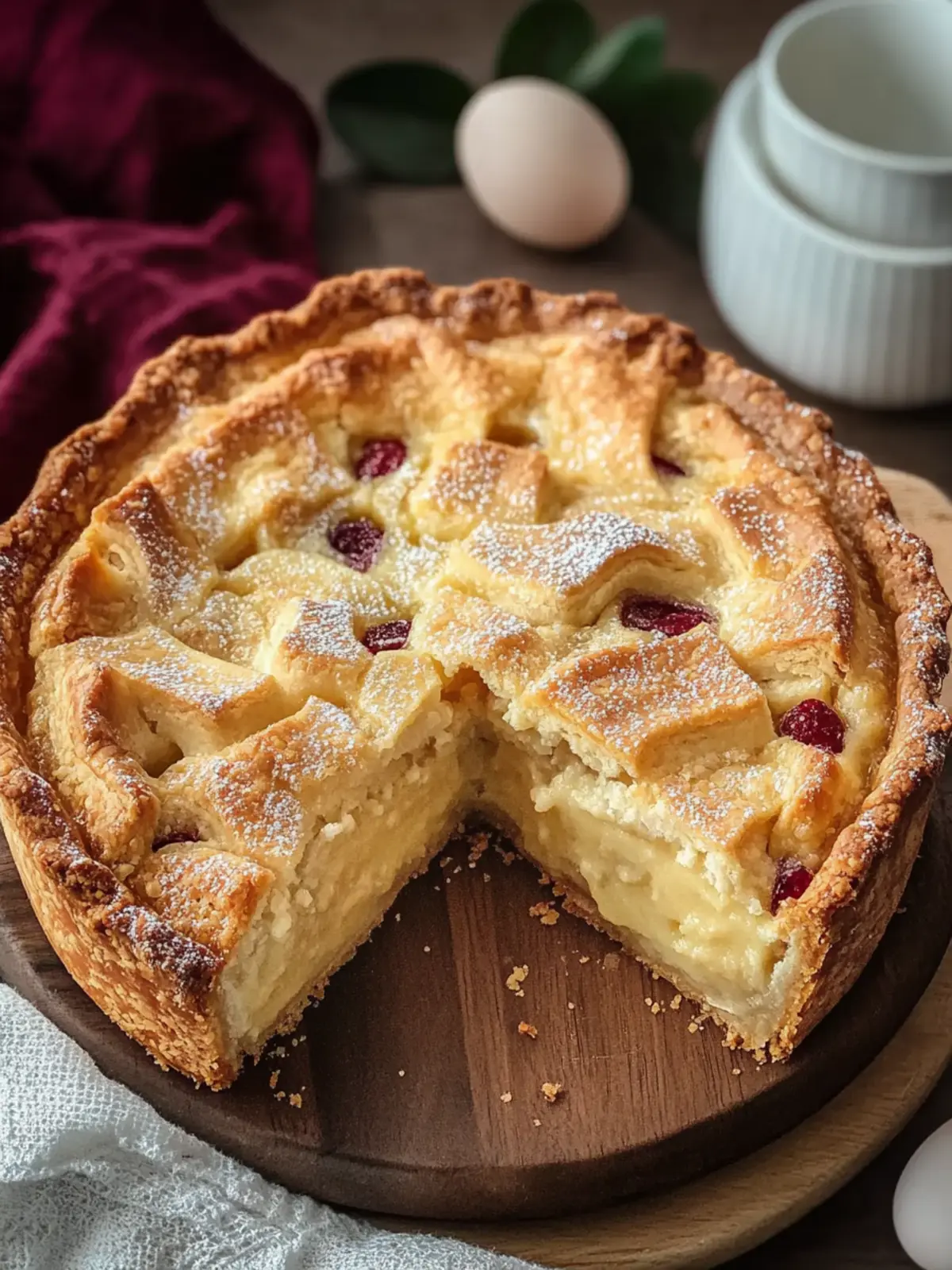
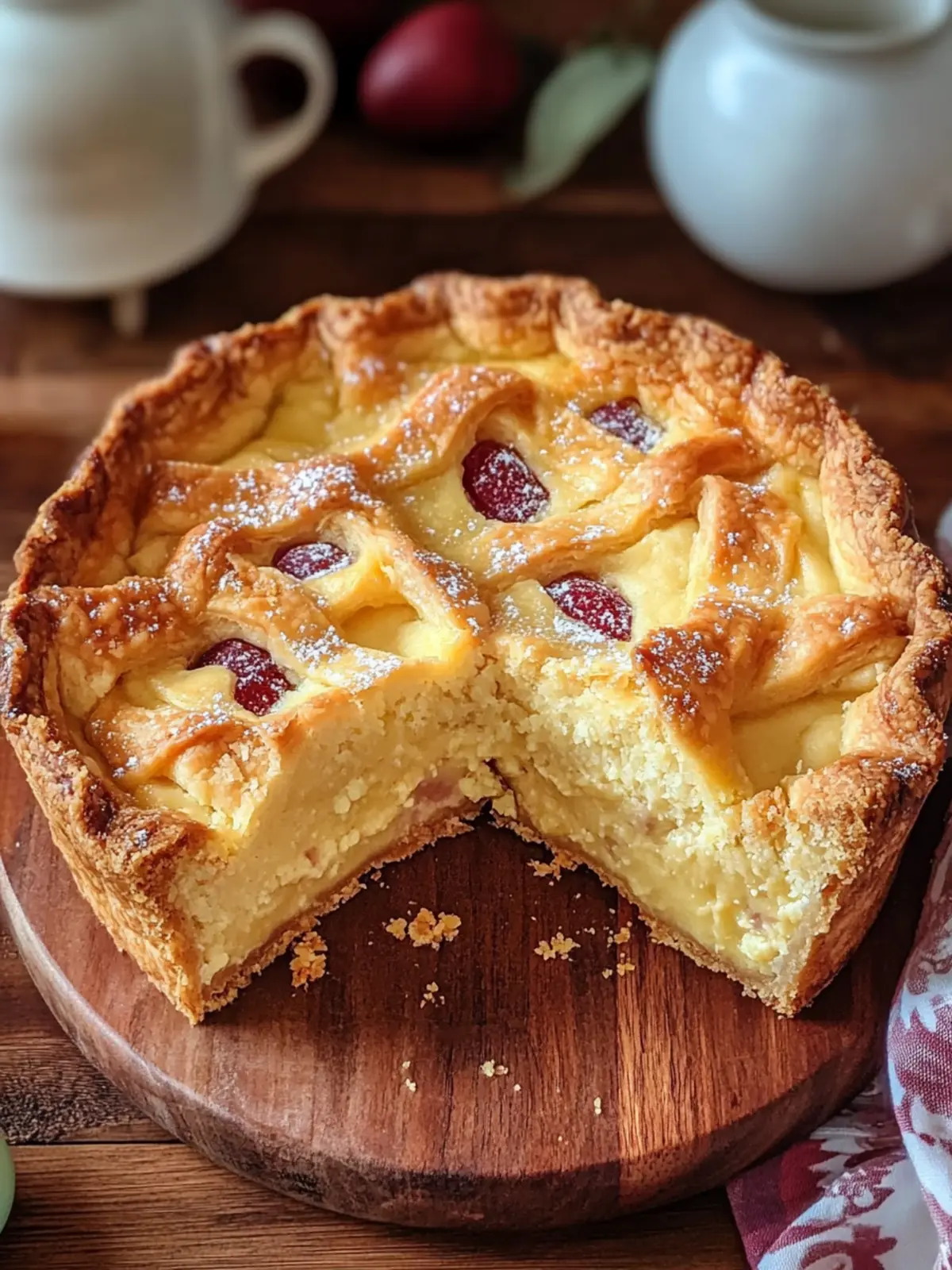
As the first signs of spring emerge, I find myself reminiscing about the cherished traditions passed down through my Italian family. One dish that never fails to steal the spotlight during Easter gatherings is Pizza Rustica, the traditional Italian Easter pie that embodies all the richness of the season. Picture this: a flaky, buttery crust enveloping a sumptuous filling brimming with creamy ricotta, gooey mozzarella, and a medley of savory cured meats. The moment you slice into it, the aroma fills the room, captivating everyone with its promise of delight.
What I love most about this dish is its versatility—whether you serve it as the star of a festive brunch or as part of a lavish Italian antipasto platter, it never disappoints. Plus, you can whip it together with ease, allowing you to focus on enjoying time with friends and family instead of being stuck in the kitchen. Let me share with you how to create this masterpiece, perfect for celebrating the end of Lent and welcoming the joyful spirit of spring.

Why is Traditional Italian Easter Pie so beloved?
Simplicity: The recipe is straightforward, allowing anyone, even novice cooks, to succeed without stress.
Rich, Layered Flavors: With creamy ricotta, gooey mozzarella, and savory cured meats, each bite bursts with deliciousness.
Versatile Serving Options: Enjoy it warm at brunch or as part of an antipasto platter—perfect for any gathering!
Time-Saving Delight: Make ahead and store, freeing up your schedule to cherish family moments.
Cultural Tradition: Each slice carries a story, embodying the celebration of Easter and the arrival of spring!
For more tips on serving, check out our serving suggestions.
Traditional Italian Easter Pie Ingredients
• Make this delightful dish with ease using these essential components!
For the Crust
- All-purpose flour – Provides structure to the crust; substitute gluten-free flour for a gluten-free version.
- Cold cubed butter – Adds richness and flakiness; keep it cold for the best texture.
- Olive oil – Enhances flavor and crust texture; can be substituted with vegetable oil.
- Egg (1 for crust) – Binds the dough together for a cohesive crust.
- Salt – Enhances flavor; be cautious as it can be overly salty due to the cured meats.
For the Filling
- Eggs (4 total) – Provide richness and hold the filling together.
- Ricotta cheese – Creates a creamy filling; drain before use to avoid sogginess.
- Mozzarella cheese – Adds delicious meltiness; consider using part-skim for less fat.
- Parmesan cheese – Imparts a sharp, salty flavor; substitute with Pecorino Romano for a stronger taste.
- Diced ham, salami, and prosciutto – Contribute savory, complex flavors that make this traditional Italian Easter pie unforgettable; substitute with your favorite cured meats.
Seasoning
- Salt – Enhances the overall flavor; adjust according to taste, keeping in mind the meats can be salty.
- Pepper – Adds necessary seasoning; feel free to adjust according to your palate.
With these key ingredients in hand, you’re all set to create a traditional Italian Easter pie that will charm your family and friends while celebrating the true essence of spring! Enjoy the process, and let comfort fill your kitchen.
How to Make Traditional Italian Easter Pie
-
Prepare the Dough: In a food processor, blend the all-purpose flour, cold cubed butter, olive oil, 1 egg, and salt until it resembles pebbles. Gradually add cold water until the dough forms a ball. Chill in the refrigerator for 1 hour to ensure flakiness.
-
Make the Filling: In a bowl, whisk the remaining 4 eggs, then fold in the ricotta, mozzarella, and parmesan cheese. Add the diced ham, salami, and prosciutto, seasoning with salt and pepper to taste.
-
Assemble the Pie: Preheat your oven to 425°F. Roll out about two-thirds of the chilled dough to line a 9-inch springform pan. Pour the meat and cheese filling into the crust. Roll out the remaining dough for the top, seal the edges, and cut a small “X” to allow steam to escape.
-
Bake: Place the pie in the oven and immediately reduce the temperature to 350°F. Bake for about 75 minutes until the filling is set and the crust is golden brown.
-
Cool Down: Allow the pie to cool for at least 30 minutes before slicing. This will make serving easier and enhance the flavors.
Optional: Brush the top with egg wash for a beautiful, glossy finish.
Exact quantities are listed in the recipe card below.
Tips for the Best Traditional Italian Easter Pie
- Keep It Cold: Ensure your butter and water are cold to create a flakier crust. Warm ingredients can lead to tough pastry.
- Draining Ricotta: Always drain your ricotta well before adding it to avoid a soggy filling. A tablespoon of flour can also help absorb excess moisture.
- Dough Handling: Handle the dough minimally to keep it tender; overworking develops gluten, resulting in a tougher crust.
- Springform Pan: Use a springform pan for an easy release and elegant presentation of your traditional Italian Easter pie.
- Egg Wash Beauty: Brush the top crust with an egg wash before baking to achieve a gorgeous golden-brown finish that tempts all your guests.
- Texture Check: Allow the pie to cool for about 30 minutes after baking. This lets the filling set, making slicing simpler and enhancing flavors.
Storage Tips for Traditional Italian Easter Pie
-
Room Temperature: Store leftover Pizza Rustica at room temperature for up to 2 hours after baking. Ensure it’s covered with a clean kitchen towel to keep it from drying out.
-
Fridge: Keep any leftover pie in an airtight container in the fridge for up to 4 days, maintaining the delicious flavors of your traditional Italian Easter pie.
-
Freezer: For longer storage, wrap the pie tightly in plastic wrap and aluminum foil. It can be frozen for up to 2 months. Thaw in the refrigerator overnight and reheat for the best texture.
-
Reheating: To reheat, place slices in a preheated oven at 350°F for about 15-20 minutes, ensuring the crust stays flaky and the filling remains deliciously creamy.
What to Serve with Traditional Italian Easter Pie?
Elevate your Easter gathering with delightful pairings that enhance the rich flavors of this savory pie.
- Fresh Arugula Salad: A peppery salad with a lemon vinaigrette adds a bright contrast to the creamy pie, refreshing each bite.
- Roasted Vegetables: Caramelized seasonal vegetables bring earthy flavors that complement the richness of the pizza rustica beautifully.
- Italian Breadsticks: Crunchy, warm breadsticks are perfect for dipping into any leftover pie juices, adding a delightful texture contrast!
- Antipasto Platter: Featuring olives, marinated artichokes, and assorted cheeses, this spread creates a festive atmosphere and offers variety alongside the main dish.
- Wine Pairing (Chianti): A glass of Chianti, with its fruity and earthy notes, enhances the savory flavors, creating a lovely harmony with the pie.
- Tiramisu: This classic Italian dessert rounds off the meal perfectly, providing a sweet and creamy finish to your Easter feast.
Make Ahead Options
These Traditional Italian Easter Pies are perfect for meal prep, allowing you to enjoy the festive flavors without the last-minute rush. You can prepare the crust and filling up to 24 hours in advance. Simply make the dough, wrap it tightly in plastic wrap, and refrigerate; keep the filling in a separate airtight container. To maintain quality, ensure the ricotta is well-drained to prevent sogginess. When you’re ready to bake, assemble the pie, roll out your crust, and fill it with the prepared mixture. Then, simply bake as directed, and you’ll have a show-stopping dish ready to impress your family and friends with minimal effort!
Traditional Italian Easter Pie Variations
Feel free to personalize your Pizza Rustica with these delightful twists that awaken your culinary creativity and tantalize the taste buds!
-
Vegetarian:
Swap meats with sautéed spinach and mushrooms for a savory vegetable delight that everyone can enjoy. -
Cheese Swap:
Try goat cheese or feta for a tangy twist, adding a unique flavor profile to this classic pie. -
Gluten-Free:
Use gluten-free all-purpose flour to whip up a crust that everyone can savor, ensuring no one misses out. -
Herbed Filling:
Add fresh herbs like basil or parsley to the cheese mixture for a fragrant burst of flavor that brings spring to life. -
Spicy Kick:
Incorporate some red pepper flakes or diced jalapeños into the filling for a zesty, heat-infused twist that ignites the senses. -
Nutty Flavor:
Mix in some toasted pine nuts or walnuts to provide a delightful crunch and unexpected richness to each slice. -
Mixed Meats:
Combine different cured meats, such as chicken sausage or turkey pepperoni, for a flavorful medley that excites the palate. -
Smoked Cheese:
Replace regular mozzarella with smoked mozzarella for a rich, deep flavor that adds dramatic complexity to your pie.
Traditional Italian Easter Pie Recipe FAQs
How do I select ripe ingredients for my Pizza Rustica?
Absolutely! For the best flavor in your traditional Italian Easter pie, use fresh, high-quality ingredients. Choose ricotta that is creamy and smooth—look for one with a high moisture content. For cheeses, opt for mozzarella that’s soft and springy, ensuring it melts beautifully. When selecting cured meats, go for freshly sliced options, avoiding any with excess dark spots or sour smells.
What are the best storage methods and duration for leftovers?
Very important! After baking, let your Pizza Rustica cool completely before storing. Wrap any leftovers in plastic wrap or store in an airtight container. It can be kept in the fridge for up to 4 days. If you want to enjoy it later, wrap the pie tightly with plastic wrap and aluminum foil, and freeze for up to 2 months. Just remember to thaw it overnight in the refrigerator before reheating!
Can I freeze leftover Pizza Rustica? If so, how?
Definitely! You can freeze your traditional Italian Easter pie for up to 2 months. Here’s how: First, let the pie cool completely. Then, wrap it tightly in plastic wrap to prevent freezer burn. After that, wrap it again in aluminum foil for added protection. When you’re ready to enjoy it again, simply thaw it overnight in the refrigerator and reheat in a preheated oven at 350°F for about 15-20 minutes. This method helps retain the flaky crust and creamy filling!
What should I do if my crust turns out tough?
I often remind home chefs about this! If your crust ends up tough, the main culprit could be overworking the dough. When mixing, aim for a crumbly texture rather than a smooth ball—this keeps it tender. Also, remember to keep your ingredients cold and handle the dough minimally. If you’ve added too much water, try lightly sprinkling in a little more flour during assembly to balance the moisture.
Are there any dietary considerations I should be aware of with this recipe?
Absolutely! If you’re serving the pie to guests with dietary restrictions, make sure to check for allergies or intolerances, especially with cheeses and cured meats. For a gluten-free version, you can substitute all-purpose flour with a gluten-free blend. If you have vegetarians in the group, consider swapping the meats for sautéed vegetables and using a plant-based cheese to keep it inclusive.
Can I adjust the filling ingredients, and if so, how?
Very much so! The beauty of Pizza Rustica lies in its versatility. Feel free to substitute the cured meats with your favorite vegetables—think sautéed spinach, zucchini, or mushrooms for a fresh twist. For cheeses, goat cheese or feta can add a delightful zing, while part-skim mozzarella helps reduce fat without sacrificing that gooey goodness. Just be sure to adjust seasoning as needed!
Delicious Traditional Italian Easter Pie Recipe for Family Cheers
Ingredients
Equipment
Method
- Prepare the Dough: In a food processor, blend the all-purpose flour, cold cubed butter, olive oil, 1 egg, and salt until it resembles pebbles. Gradually add cold water until the dough forms a ball. Chill in the refrigerator for 1 hour.
- Make the Filling: In a bowl, whisk the remaining 4 eggs, then fold in the ricotta, mozzarella, and parmesan cheese. Add the diced ham, salami, and prosciutto, seasoning with salt and pepper to taste.
- Assemble the Pie: Preheat your oven to 425°F. Roll out about two-thirds of the chilled dough to line a 9-inch springform pan. Pour the meat and cheese filling into the crust. Roll out the remaining dough for the top, seal the edges, and cut a small “X” to allow steam to escape.
- Bake: Place the pie in the oven and immediately reduce the temperature to 350°F. Bake for about 75 minutes until the filling is set and the crust is golden brown.
- Cool Down: Allow the pie to cool for at least 30 minutes before slicing.