
There’s a certain joy that comes from creating a restaurant-worthy dish right in your own kitchen, and these Hibachi Steak Bowls are just the ticket for that flavorful escape. The moment the ribeye hits the hot skillet, the sizzle and aroma fill the air, turning a simple weeknight dinner into a culinary delight that rivals any hibachi grill.
What I love most about this dish is its versatility—each component is easily customizable based on what you have on hand or your family’s preferences. Whether you’re hoping to impress guests or just need something quick and satisfying after a busy day, these bowls deliver on every level. The vibrant colors of crisp vegetables and tender steak over a bed of fluffy rice not only make for a stunning presentation but also create a flavorful medley that pleases even the pickiest eaters.
Ready to embark on a delicious journey that will make your kitchen the place to be? Let’s dive into this easy recipe that will surely become a beloved staple in your home.
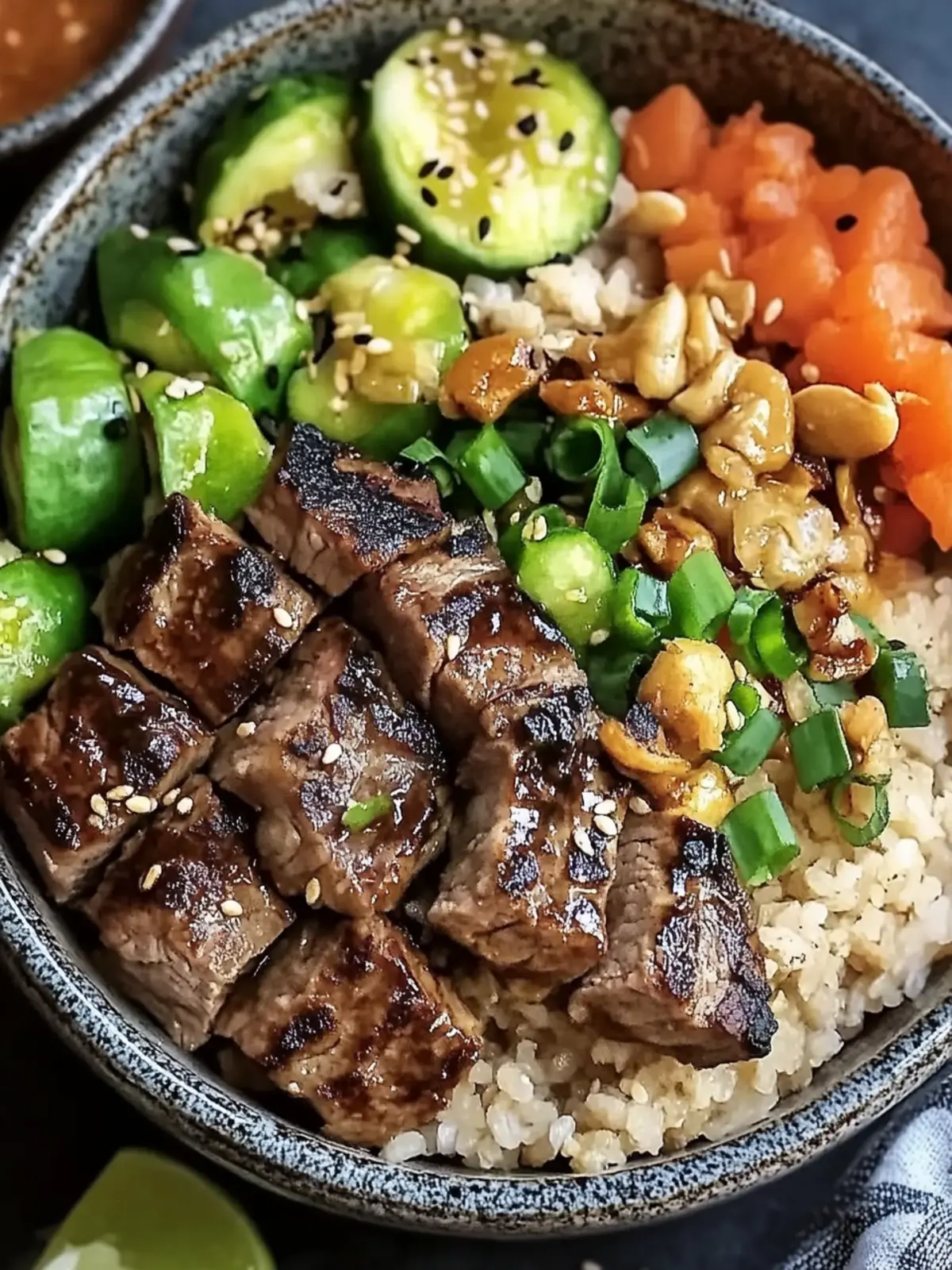
Why are Hibachi Steak Bowls a Must-Try?
Deliciously customizable: You can swap in your favorite proteins—chicken, tofu, or shrimp—as per your taste for a unique twist.
Quick preparation: The simplicity of this dish allows for an effortless weeknight meal that can be ready in under 30 minutes.
Family-friendly: Kids and adults alike adore the vibrant mix of colors and flavors, making it the ideal family dinner!
Visual beauty: The stunning presentation of bright vegetables and juicy steak not only catches the eye but also whets the appetite.
Health-conscious option: Packed with veggies and lean protein, these bowls are a nutritious choice without sacrificing flavor.
Elevate your meal game by exploring different variations, and for more ideas, check out our suggestions on customization!
Hibachi Steak Bowls Ingredients
For the Steak
• Ribeye or Sirloin Steak – Main protein; delivers rich flavor. Can use chicken or tofu for a lighter option.
For the Vegetables
• Broccoli Florets – Adds color and crunch; fresh is preferred, but frozen works if thawed properly.
• Sliced Bell Peppers – Offers sweetness and a pop of color; any color works or substitute with zucchini.
• Sliced Carrots – Contributes sweetness and texture; swap with snap peas or green beans for variation.
For the Base
• Cooked Rice (White or Brown) – Base for the dish; provides filling carbohydrates. Quinoa can be used as a gluten-free alternative.
For the Seasoning
• Soy Sauce – Adds umami; essential seasoning. Tamari is a great gluten-free substitute.
• Sesame Oil – Enhances flavor; essential for authenticity. Vegetable or olive oil can substitute but will alter flavor.
• Teriyaki Sauce (optional) – Provides sweetness and depth; omit for a less sweet flavor.
• Garlic Powder – Adds aromatic flavor; fresh garlic can also be used.
• Ginger Powder – Enhances the dish with warmth; fresh ginger can offer a vibrant kick.
• Salt and Pepper – Basic seasoning to taste.
For Garnish
• Green Onions – Brightens the presentation; chives can be used as a substitute.
• Sesame Seeds – Adds a nutty flavor and decorative touch.
Unleash your culinary creativity and enjoy these Hibachi Steak Bowls as a delightful addition to your meal rotation!
How to Make Hibachi Steak Bowls
-
Prep Ingredients: Start by slicing your ribeye or sirloin steak into bite-sized pieces and chopping all the vegetables. While you’re at it, cook the rice according to package instructions—this will be the cozy base for your dish.
-
Cook Steak: Season the steak pieces with salt, pepper, garlic, and ginger. Heat a skillet over medium-high heat and grill or pan-sear the steak for about 4-5 minutes on each side until it’s beautifully caramelized and reaches a juicy medium-rare.
-
Sauté Vegetables: In the same skillet, add a drizzle of sesame oil and toss in the broccoli, bell peppers, and carrots. Sauté for about 3-4 minutes until they’re tender-crisp and vibrant, infusing the kitchen with mouthwatering aromas.
-
Combine: In a large bowl, combine the cooked rice, sautéed vegetables, and grilled steak. Drizzle everything with soy sauce, and for a touch of sweetness, add the optional teriyaki sauce—mix well to ensure every bite packs a flavorful punch.
-
Serve: Dish it up by garnishing your bowls with a sprinkle of sliced green onions and sesame seeds for that extra zing.
Optional: Add a squeeze of fresh lime juice for a refreshing twist.
Exact quantities are listed in the recipe card below.
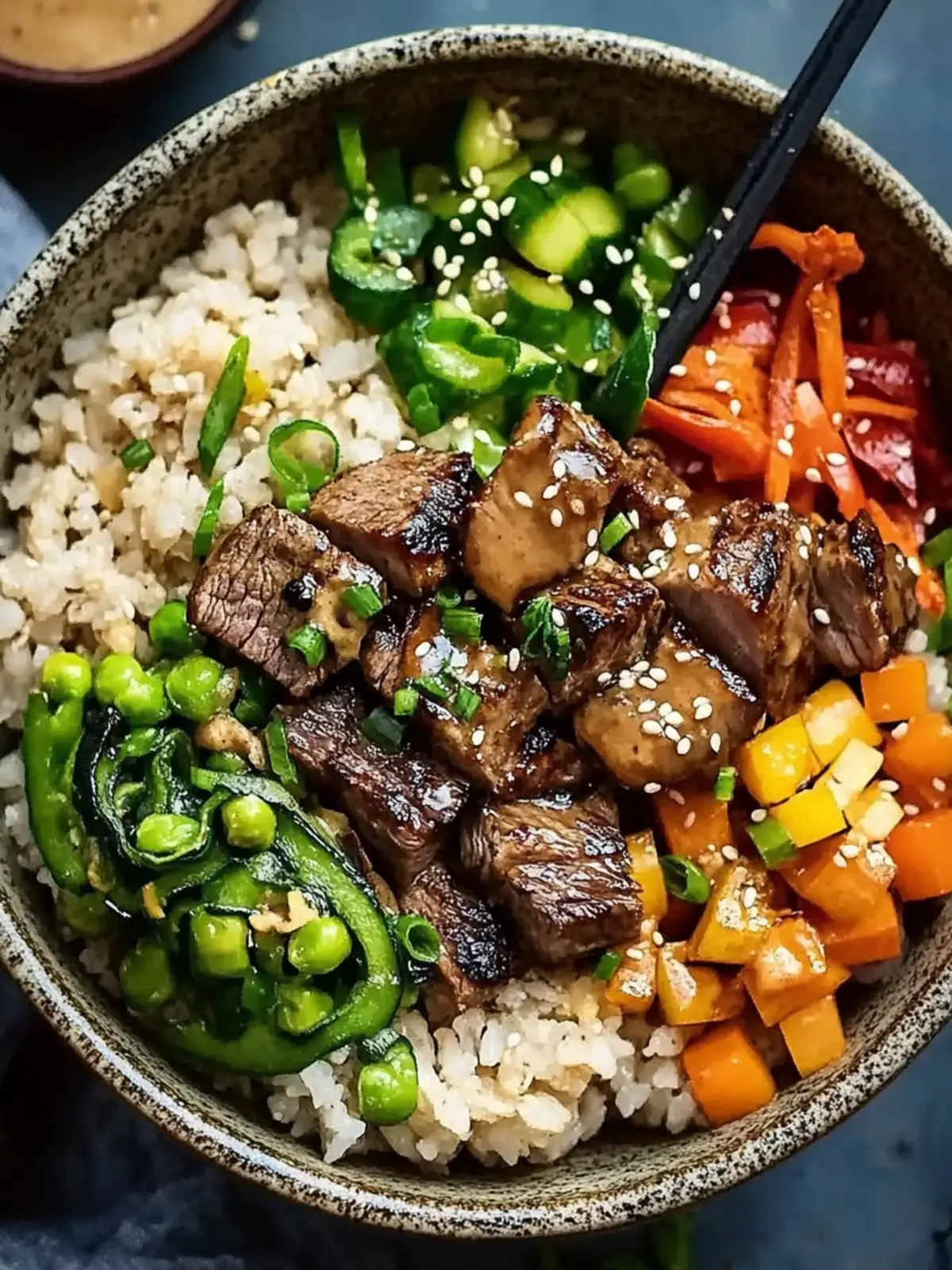
Expert Tips for Hibachi Steak Bowls
• Perfectly Tender Steak: Use a meat thermometer; aim for 135°F (57°C) for medium-rare doneness to avoid overcooking the steak.
• Skip the Overcrowding: Cook steak and vegetables in batches if using a small skillet; overcrowding leads to steaming instead of nice searing, affecting flavor.
• Fresh Ingredients: Use fresh vegetables when possible. They add not only texture but vibrant flavors to your Hibachi steak bowls.
• Serve Immediately: Assemble and serve immediately to keep the rice and veggies fresh. Waiting too long may cause them to become soggy.
• Experiment with Sauces: Feel free to adjust the soy sauce and teriyaki sauce to suit your taste preferences. A little can go a long way in enhancing the overall flavor.
Each tip will help you craft the best Hibachi steak bowls that your family will love!
What to Serve with Hibachi Steak Bowls?
Enhance your Hibachi Steak Bowls experience with delightful pairings that cater to every appetite and make for a memorable meal.
- Miso Soup: A warm bowl of miso soup complements the rich flavors, offering a soothing contrast to the savory steak and bright vegetables.
- Tempura Vegetables: Lightly battered and crispy tempura adds a crunchy texture, balancing the tender steak beautifully for a delightful contrast.
- Cucumber Salad: A fresh cucumber salad dressed with rice vinegar provides a refreshing, tangy bite that cuts through the richness of the bowls.
- Steamed Edamame: These protein-packed pods offer a light and healthy side, enhancing your meal without overpowering the main flavors.
- Garlic Fried Rice: You can take it further and swap plain rice for garlic fried rice, which adds a savory depth that beautifully complements the hibachi essence.
- Japanese Pickles (Tsukemono): A small side of pickles brings a pop of color and tangy flair, awakening the palate and enhancing the overall dining experience.
Pair these delightful options with your Hibachi Steak Bowls, and transform your family dinner into a feast that’s truly special!
Hibachi Steak Bowls Variations
Feel free to get creative with these Hibachi Steak Bowls by swapping ingredients or adding your favorite flavors!
- Dairy-Free: Use coconut aminos instead of soy sauce to keep it flavor-packed and dairy-free.
- Spicy Kick: Add sriracha or chili flakes to the soy sauce for an exciting heat that warms the palate.
- Extra Veggie Boost: Toss in some sautéed mushrooms or zucchini for added texture and flavor—perfect for veggie lovers!
- Noodle Base: Swap rice for soba or udon noodles for a hearty twist that brings a unique flair to your bowls.
- Herbaceous Delight: Garnish with fresh cilantro or basil for a bright note that elevates the overall taste profile.
- Vegan-Friendly: Replace steak with marinated tempeh for a protein-packed alternative that retains delightful umami flavors.
- Tropical Twist: Incorporate pineapple pieces while sautéing veggies for a sweet and tangy surprise in every bite.
- Rice Alternatives: Use cauliflower rice for a low-carb option, while keeping the delicious flavors intact.
Dive into these variations and make each meal a new adventure!
How to Store and Freeze Hibachi Steak Bowls
Fridge: Store any leftovers in an airtight container for up to 3 days. Reheat gently in the microwave or on the stovetop to maintain texture.
Freezer: If you want to keep your Hibachi Steak Bowls longer, freeze components separately (steak, rice, and vegetables) for up to 3 months. Thaw in the fridge overnight before reheating.
Reheating: To bring back that delicious flavor, reheat each component individually to avoid overcooking. Combine and serve once everything is heated through for best results.
Packing Tips: If you’re meal prepping, make sure to let everything cool down before storing. This helps to avoid condensation that can lead to sogginess.
Make Ahead Options
These Hibachi Steak Bowls are ideal for meal prep enthusiasts looking to save time! You can slice the steak and chop your vegetables up to 24 hours in advance and store them in airtight containers in the refrigerator to maintain freshness. Additionally, cook the rice and refrigerate it for up to 3 days. When you’re ready to serve, simply reheat the rice and sauté the veggies with sesame oil until tender-crisp, then grill the prepped steak until warmed through. Just like that, you’ll have a restaurant-quality meal with minimal effort, making dinner time stress-free and enjoyable!
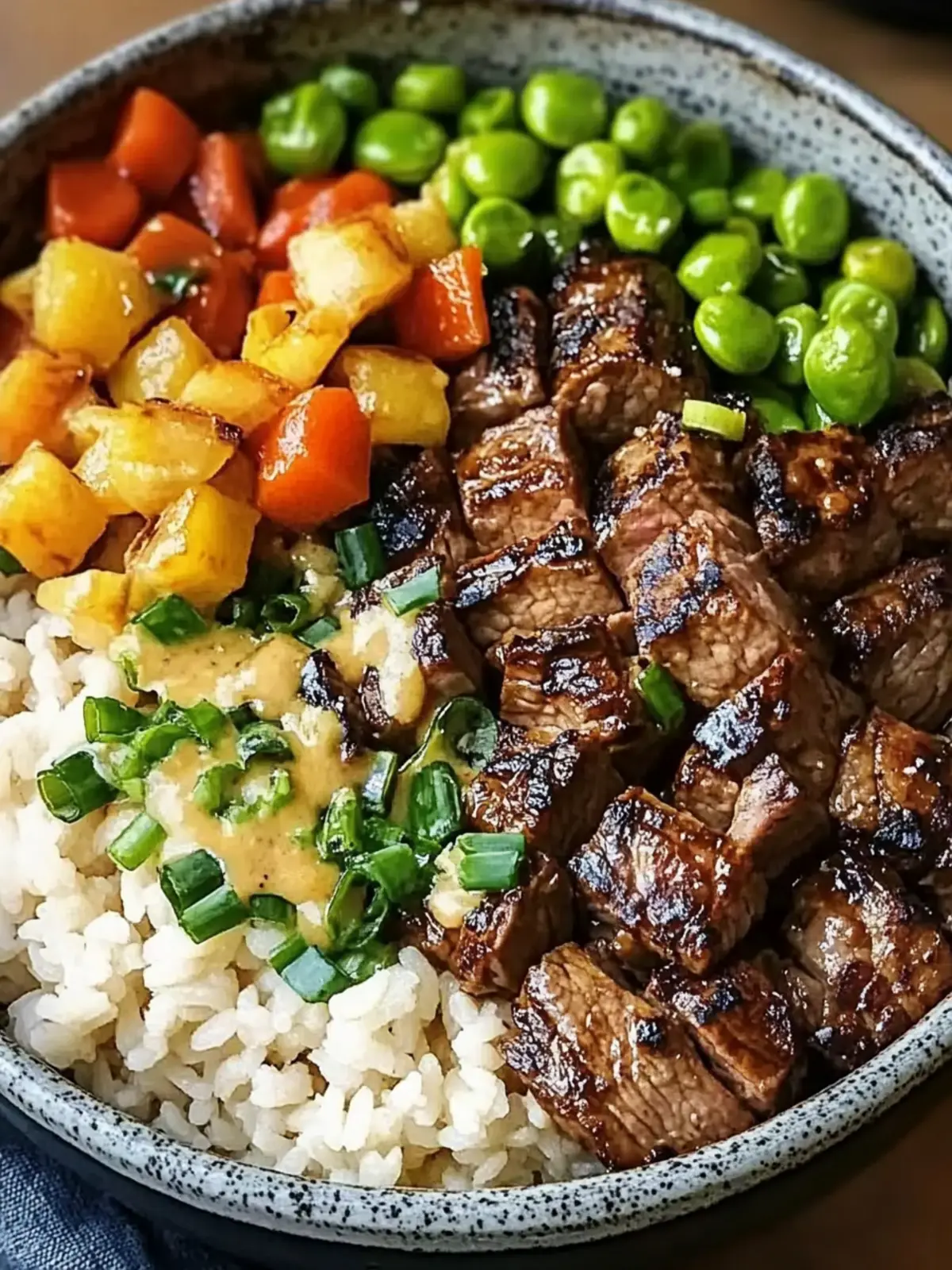
Hibachi Steak Bowls Recipe FAQs
How do I choose the best steak for Hibachi Steak Bowls?
Absolutely! For the juiciest flavor, I recommend using ribeye or sirloin steak. Look for cuts that have a nice marbling, which indicates tenderness and flavor. If you’re looking for a lighter option, white meat chicken or even tofu makes great substitutes without compromising satisfaction.
What’s the best way to store leftover Hibachi Steak Bowls?
Very good question! Store any leftovers in an airtight container in your refrigerator for up to 3 days. When reheating, do it gently in the microwave or on the stovetop to retain that lovely texture. If you’re planning to eat them later in the week, I recommend storing the components separately for the best results.
Can I freeze Hibachi Steak Bowls?
Absolutely! To freeze your Hibachi Steak Bowls, make sure to keep the components separate: steak, cooked rice, and vegetables. Package them in airtight containers or freezer bags and you can store them for up to 3 months. When you’re ready to enjoy your delicious bowls again, thaw in the refrigerator overnight before reheating.
What should I do if my steak turns out tough?
Ah, this can happen sometimes! If your steak turns out tougher than expected, make sure next time to cut it against the grain and marinate it for at least 30 minutes prior to cooking. Also, aim for medium-rare doneness—about 135°F (57°C) will help keep it juicy. For another layer of tenderness, try using a meat mallet to lightly pound the meat before seasoning.
Are Hibachi Steak Bowls suitable for people with gluten intolerance?
Very much so! To make delicious gluten-free Hibachi Steak Bowls, simply replace regular soy sauce with tamari, as it’s a gluten-free counterpart. Check all other packaged items for gluten content, and you can enjoy this delightful meal without worry.
What’s the best way to keep vegetables crisp when preparing Hibachi Steak Bowls?
Great question! To maintain that lovely crunch, sauté your vegetables just until they are tender-crisp—aim for about 3-4 minutes in a hot skillet. Using freshly washed and dried vegetables can also help. Serve immediately after combining to retain their vibrancy and texture.
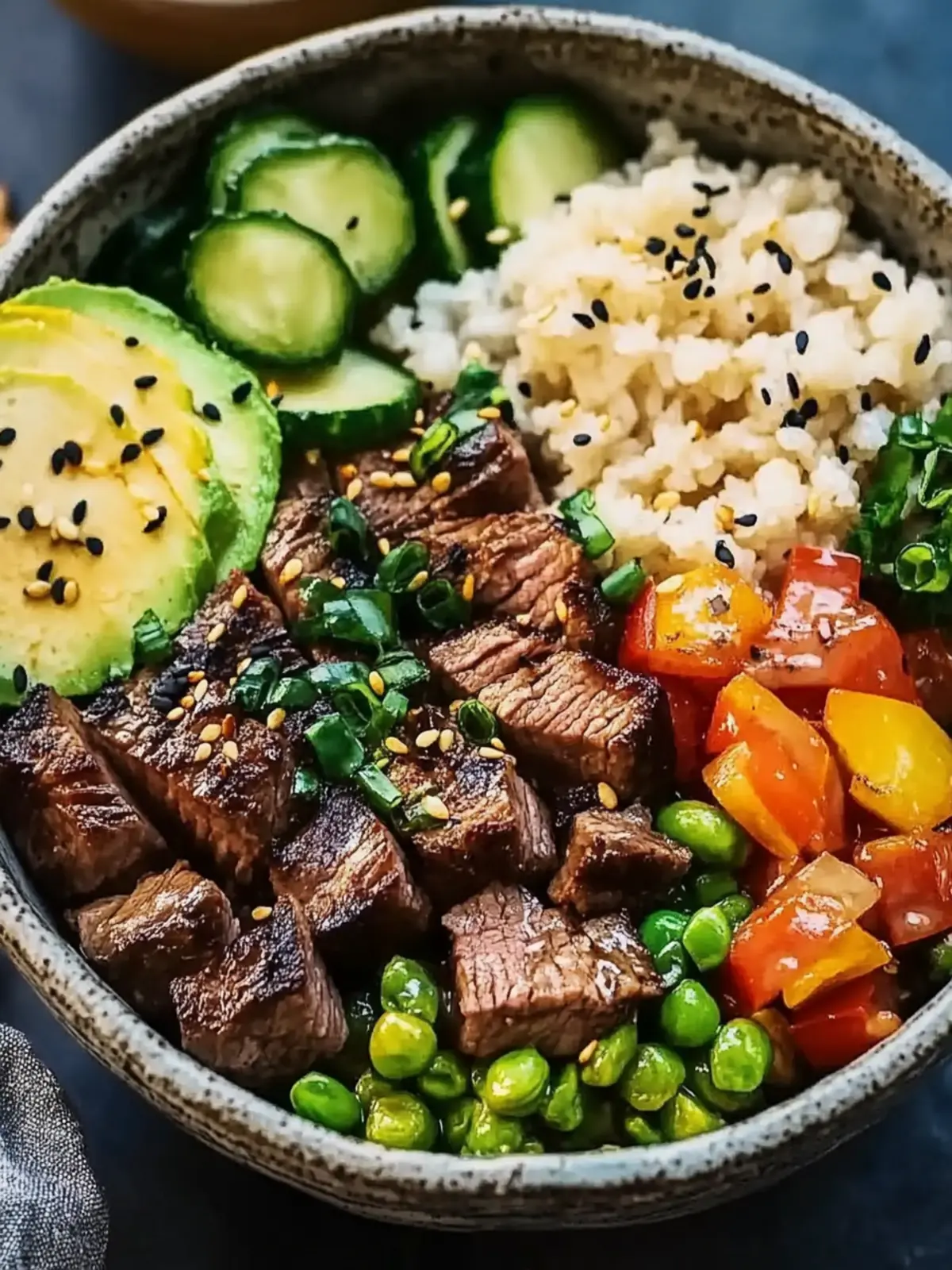
Customizable Hibachi Steak Bowls for a Flavorful Family Night
Ingredients
Equipment
Method
- Start by slicing your ribeye or sirloin steak into bite-sized pieces and chopping all the vegetables. Cook the rice according to package instructions.
- Season the steak pieces with salt, pepper, garlic, and ginger. Heat a skillet over medium-high heat and grill or pan-sear the steak for about 4-5 minutes on each side.
- In the same skillet, add sesame oil and toss in broccoli, bell peppers, and carrots. Sauté for about 3-4 minutes until tender-crisp.
- In a large bowl, combine the cooked rice, sautéed vegetables, and grilled steak. Drizzle with soy sauce and optional teriyaki sauce. Mix well.
- Serve by garnishing with sliced green onions and sesame seeds. Optional: Add a squeeze of fresh lime juice.