
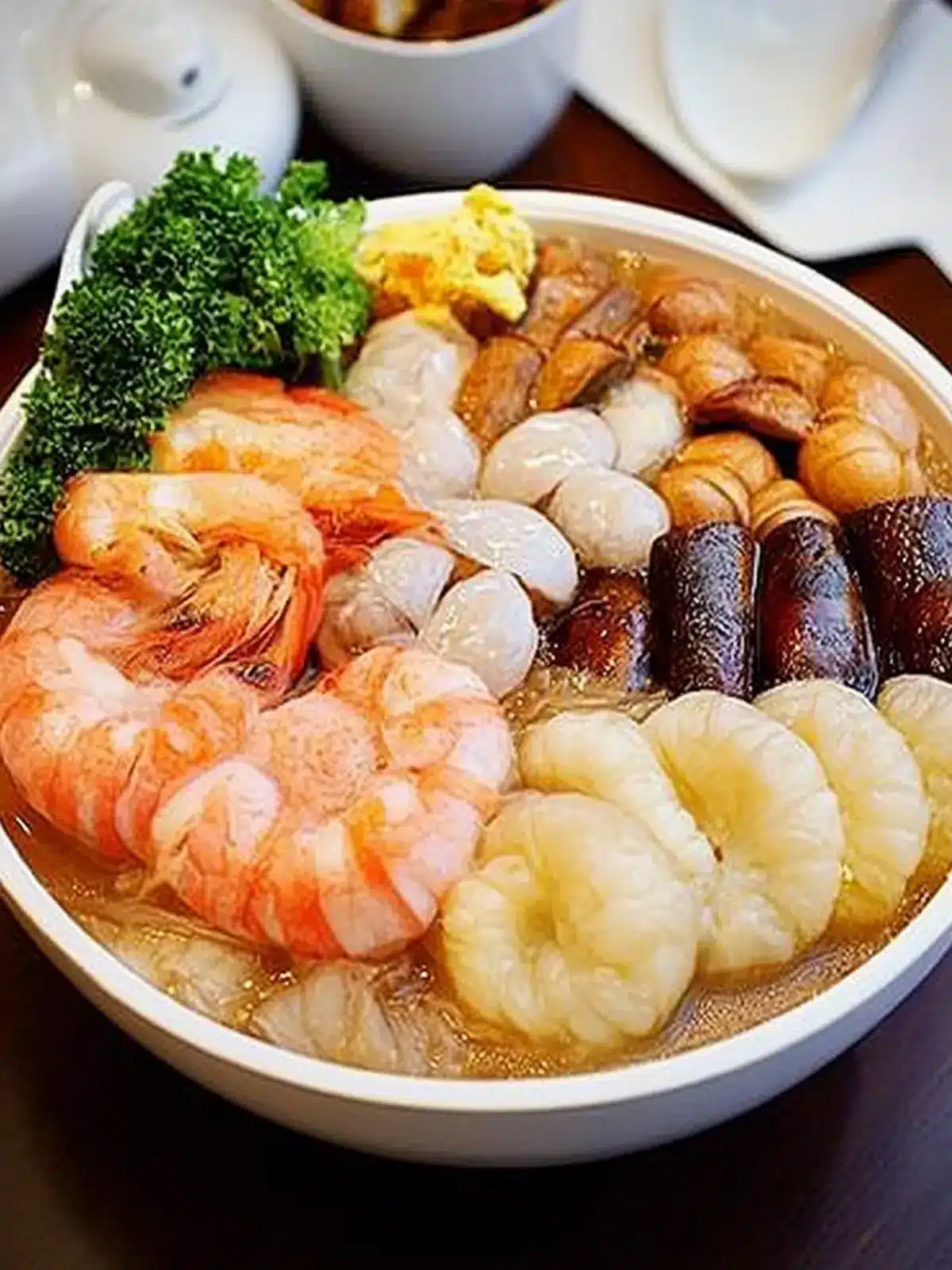
As the sun dips below the horizon and the scent of savory aromas wafts through the air, I can’t help but feel a wave of excitement for the feast ahead. Enter Poon Choi—a magnificent treasure pot that beautifully marries layers of succulent seafood, tender meats, and vibrant vegetables. This vibrant dish is not just a meal; it’s the centerpiece of festive gatherings, especially during the joyous Chinese New Year celebrations, symbolizing abundance and togetherness.
What’s wonderful about Poon Choi is its adaptability; whether you’re a seafood lover or a devoted vegetarian, there’s a variation for everyone at the table. Imagine cracking open a rich broth, brimming with umami flavors, as you scoop out delightful morsels from this hearty creation. With each spoonful, you’ll not only savor its myriad flavors but also create cherished memories with your loved ones. Let’s embark on this culinary adventure together, where your kitchen transforms into a haven of festivity and warmth!

Why is Poon Choi a Must-Try Dish?
Versatility: With options for both seafood and vegetarian lovers, Poon Choi invites everyone to indulge in its flavors.
Celebratory Spirit: This dish embodies the essence of togetherness, making it perfect for joyous occasions.
Umami Explosion: Each layer boasts rich flavors, from tender proteins to vibrant vegetables, ensuring every bite is a delight.
Easy to Customize: Feel free to swap ingredients based on your preferences, personalizing the experience for you and your guests.
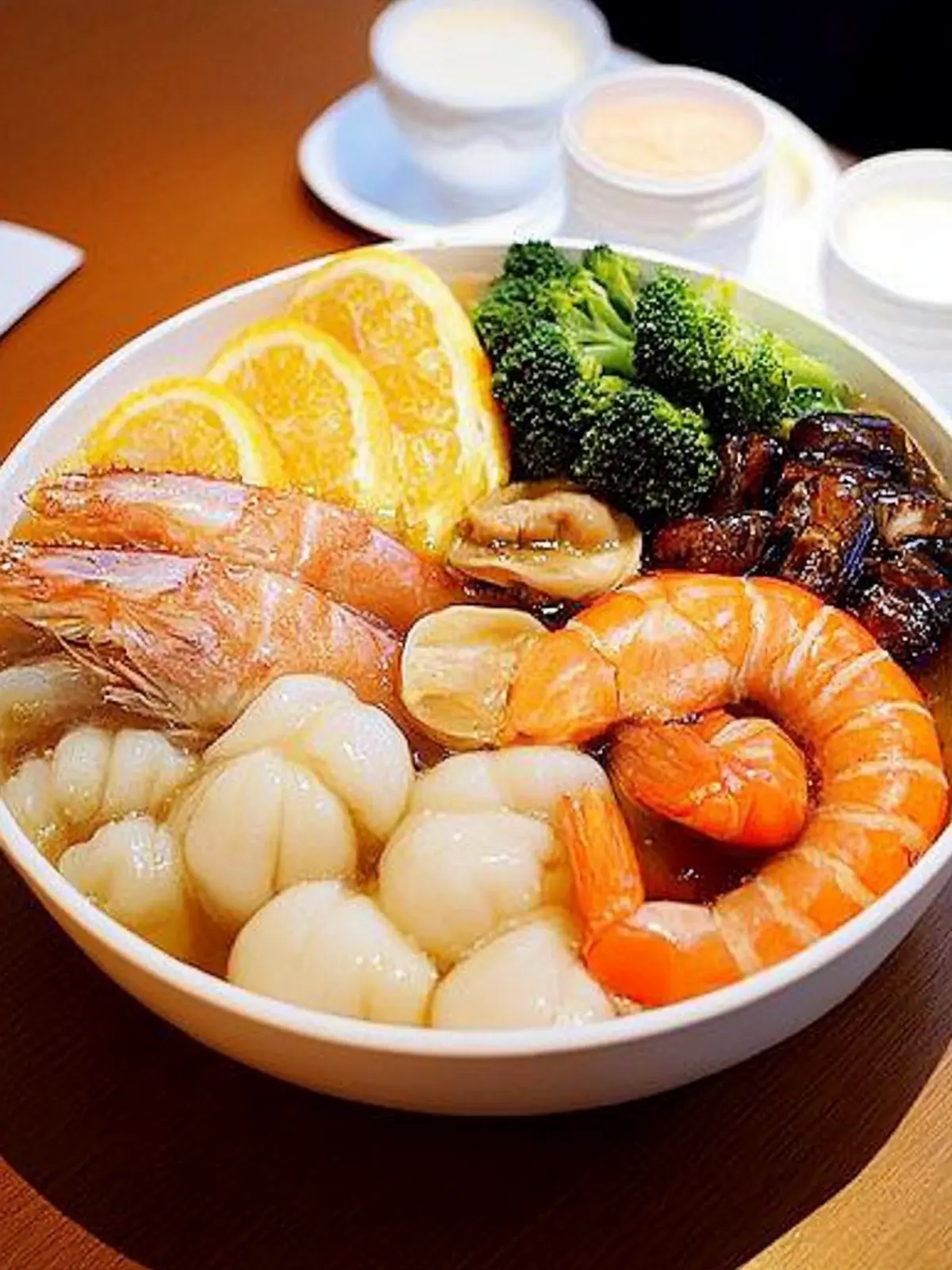
Visual Feast: Its stunning presentation transforms any gathering into a festive occasion worth celebrating!
Time-Saving: Prepare and soak ingredients ahead of time, so you can focus on enjoying the company of your loved ones.
Poon Choi Ingredients
Exciting Flavors Await: Here’s what you need to create your savory Poon Choi masterpiece!
For the Seafood:
• Dried Oyster – Adds umami flavor; fresh oysters can also be used if you’re in a pinch.
• Dried Scallop – Provides a rich seafood essence; fresh scallops are a great alternative.
• Prawns (300g) – Delivers delightful sweetness and texture; feel free to swap with your favorite seafood option.
• Fish Maw (50g) – Offers a unique texture that absorbs flavors; can be omitted for a simpler version.
For the Meats:
• Pork Knuckle (1 piece) – Adds richness and depth to the broth; chicken can replace it for a lighter touch.
• Goose Web (2 pieces) – Imparts a unique texture and flavor; can be omitted or substituted with chicken feet.
For the Vegetables:
• Dried Shiitake Mushrooms (5 pieces) – Enhances the broth with deep earthy notes; fresh mushrooms are a milder substitute.
• Lotus Root (200g) – Contributes a delightful crunch and subtle sweetness; water chestnuts can take its place.
• Radish (100g) – Adds a refreshing peppery bite; opt for white radish for the best flavor.
• Beancurd Stick (100g) – Provides protein and absorbs the broth beautifully; firm tofu is a fantastic alternative.
• Black Mushroom (100g) – Imparts a meaty flavor; any mushroom variety can work here.
For the Broth:
• Soy Sauce (100ml) – Essential for that savory depth of flavor.
• Black Sauce (50ml) – Adds complexity and richness to the soup base.
• Ginger (20g) – Brings warmth and a fragrant note to the dish.
• Rock Sugar (20g) – Balances the broth’s flavor with a hint of sweetness.
• Pandan Leaf (1 piece) – Adds a delightful aroma; a real treasure in Asian cooking!
• Scallion (2 pieces) – Brightens up the dish with its fresh, sharp taste.
How to Make Poon Choi
-
Soak Ingredients: Begin by soaking the dried oysters and scallops for 40 minutes. In a separate bowl, soak the dried shiitake mushrooms in hot water until softened. Clean the prawns, rinse the fish maw, and cut into smaller pieces.
-
Cook Components: In separate pots, cook the soaked oysters, scallops, and shiitake mushrooms in lightly salted water and chicken soup. Drain them after cooking and set aside.
-
Prepare the Broth: In a large pot, combine soy sauce, black sauce, ginger, rock sugar, pandan leaf, and scallions. Braise the pork knuckle in this mixture for about 1 hour, or until the meat is tender and flavorful.
-
Layer Ingredients: Now, grab a claypot! Layer the lotus root, radish, and beancurd stick at the bottom, followed by fish maw, pork knuckle, goose web, and dried oysters. Keep layering until you’ve used all ingredients.
-
Steam Layers: Cover the claypot with a lid and steam everything together for approximately 25 minutes. This will help the flavors meld beautifully.
-
Add Final Touches: Carefully remove the lid and arrange the roasted chicken, duck, and prawns on top. Pour the rich broth over all the layers, ensuring everything is well-moistened.
-
Thicken the Broth: Finally, combine all the broths that were used earlier. Dissolve cornstarch in water and mix it into the broth, boiling gently until it thickens slightly.
Optional: Garnish with freshly chopped scallions for a burst of color and flavor.
Exact quantities are listed in the recipe card below.
Expert Tips for Poon Choi
- Layer Correctly: Ensure you layer your ingredients thoughtfully in the claypot, as this enhances the taste and texture, allowing each flavor to shine.
- Soak Wisely: Adequately soak dried ingredients like mushrooms to avoid chewiness and maximize flavor absorption, critical for your Poon Choi experience.
- Broth Attention: Stir the broth frequently while cooking to prevent the rock sugar from sticking; a smooth broth is key to this dish’s richness.
- Use the Right Pot: Choose a large enough claypot to avoid overcrowding, which can lead to uneven cooking and imbalanced flavors during steaming.
- Serve Fresh: For the best taste and experience, serve your Poon Choi hot right from the pot, allowing guests to enjoy its fresh flavors.
How to Store and Freeze Poon Choi
Fridge: Store leftovers in an airtight container for up to 3 days. This will help maintain the dish’s rich flavors and moisture.
Freezer: For longer storage, freeze Poon Choi in a suitable container for up to 2 months. Ensure it’s well-sealed to prevent freezer burn.
Reheating: Thaw overnight in the fridge before reheating. Gently warm in a pot over low heat, adding a splash of broth to restore moisture. Enjoy the layers of flavor!
What to Serve with Poon Choi?
Discover the perfect accompaniments that will enhance your Poon Choi experience and create a well-rounded meal.
-
Steamed Jasmine Rice: Fluffy and fragrant, this classic pairing soaks up the savory broth beautifully, making each bite even more satisfying.
-
Stir-Fried Broccoli: Crisp and vibrant, stir-fried broccoli adds a pop of color and nutrients that complement the richness of Poon Choi.
-
Chinese Cabbage Salad: The crunchy texture and light dressing offer a refreshing contrast, providing a healthful balance to the hearty treasure pot.
-
Chili Oil Dipping Sauce: For those who crave a spicy kick, a drizzle of homemade chili oil enhances the umami flavors of the dish while adding boldness.
-
Fruit Platter: A colorful selection of seasonal fruits like lychee, oranges, and pomelo serves as a sweet palate cleanser, perfect for concluding your festive meal.
-
Green Tea or Jasmine Tea: These fragrant teas are not just soothing; their warm notes resonate harmoniously with the layers of flavors in Poon Choi.
-
Sesame Balls: These delightful sweet treats made from glutinous rice and filled with red bean paste provide a lovely dessert finish, celebrating tradition and taste.
Poon Choi Variations & Substitutions
Discover delightful ways to personalize your Poon Choi and make it truly your own!
- Vegetarian Delight: Replace all meats with a colorful mix of seasonal vegetables and tofu for a plant-based pot. You’ll be amazed at how a vibrant array of veggies can shine just as bright!
- Seafood Swap: Integrate other seafood like calamari or mussels for varied flavors. The ocean’s bounty opens up new textures and tastes to explore, making each bite a new adventure!
- Spicy Kick: Introduce sliced chili or chili oil for added heat. This simple addition will ignite your dish with fiery warmth that will tantalize your taste buds!
- Different Mushrooms: Experiment with portobello or enoki mushrooms for various textures. Each type brings its own character into the mix, elevating your Poon Choi to another level!
- Sweet Potato Layers: Swap lotus root with sweet potatoes for sweetness and nutrition. Their creamy texture will add a lovely touch that contrasts beautifully with the savory broth!
- Broth Enhancer: Consider infusing broth with lemongrass or orange peel for aromatic brightness. A zesty twist can truly elevate the whole dish, making it unforgettable!
- Add Nuts: Incorporate toasted cashews or peanuts for crunch and richness. These little gems add delightful notes of flavor and a satisfying crunch that will keep you coming back for more!
- Herb Infusion: Toss in fresh herbs like cilantro or basil before serving for a burst of freshness. The fragrant aromas will envelop your Poon Choi, bringing an extra layer of joy to each scoop!
Make Ahead Options
Preparing Poon Choi ahead of time is a blessing for busy cooks, saving you valuable time on the day of your gathering. You can soak the dried oysters, scallops, and shiitake mushrooms up to 24 hours in advance, storing them in the refrigerator to maintain their quality. Additionally, you can prepare the broth up to 3 days ahead; just be sure to keep it in an airtight container in the fridge. When you’re ready to serve, simply layer the prepped ingredients in the claypot, steam for the required 25 minutes, and finish by adding the roasted chicken and prawns with the broth. This way, you will present a warm, inviting Poon Choi, just as delightful as if you made it all in one go!
Poon Choi Recipe FAQs
What ingredients should I use for the best flavor in my Poon Choi?
Absolutely! For the richest flavor, opt for high-quality dried oysters and scallops. If fresh seafood is available, they can be used instead. Dried shiitake mushrooms are also a must, as they enhance the umami broth wonderfully. Don’t forget to soak them properly—the goal is to balance texture and flavor.
How do I store leftovers of Poon Choi?
Very easy! Store your leftovers in an airtight container in the fridge for up to 3 days. It’s best to keep it sealed to maintain that rich flavor and moisture. If you have more than you can eat, freezing is a wonderful option.
Can I freeze Poon Choi? If so, how?
Yes, you can! For freezing, place Poon Choi in a well-sealed container and pop it into the freezer. It will keep well for up to 2 months. When you’re ready to enjoy it again, simply thaw in the fridge overnight and reheat gently in a pot, adding a splash of broth to keep it moist.
What if my broth doesn’t thicken properly?
No worries! If your broth hasn’t thickened, make a quick cornstarch slurry. Mix 1 tablespoon of cornstarch with 2 tablespoons of water, then slowly stir this into your simmering broth. Cook for 1-2 minutes while stirring until it thickens up nicely. This is a great troubleshooting step to perfect your Poon Choi!
Are there any dietary restrictions I should consider when making Poon Choi?
Certainly! Since Poon Choi can be customized, it’s crucial to consider your guests’ dietary needs. For a vegetarian option, replace all meat ingredients with a colorful array of seasonal veggies and tofu. Also, be aware of seafood allergies—ensure you’re using fresh ingredients to avoid any issues. It’s always best to ask your guests beforehand!
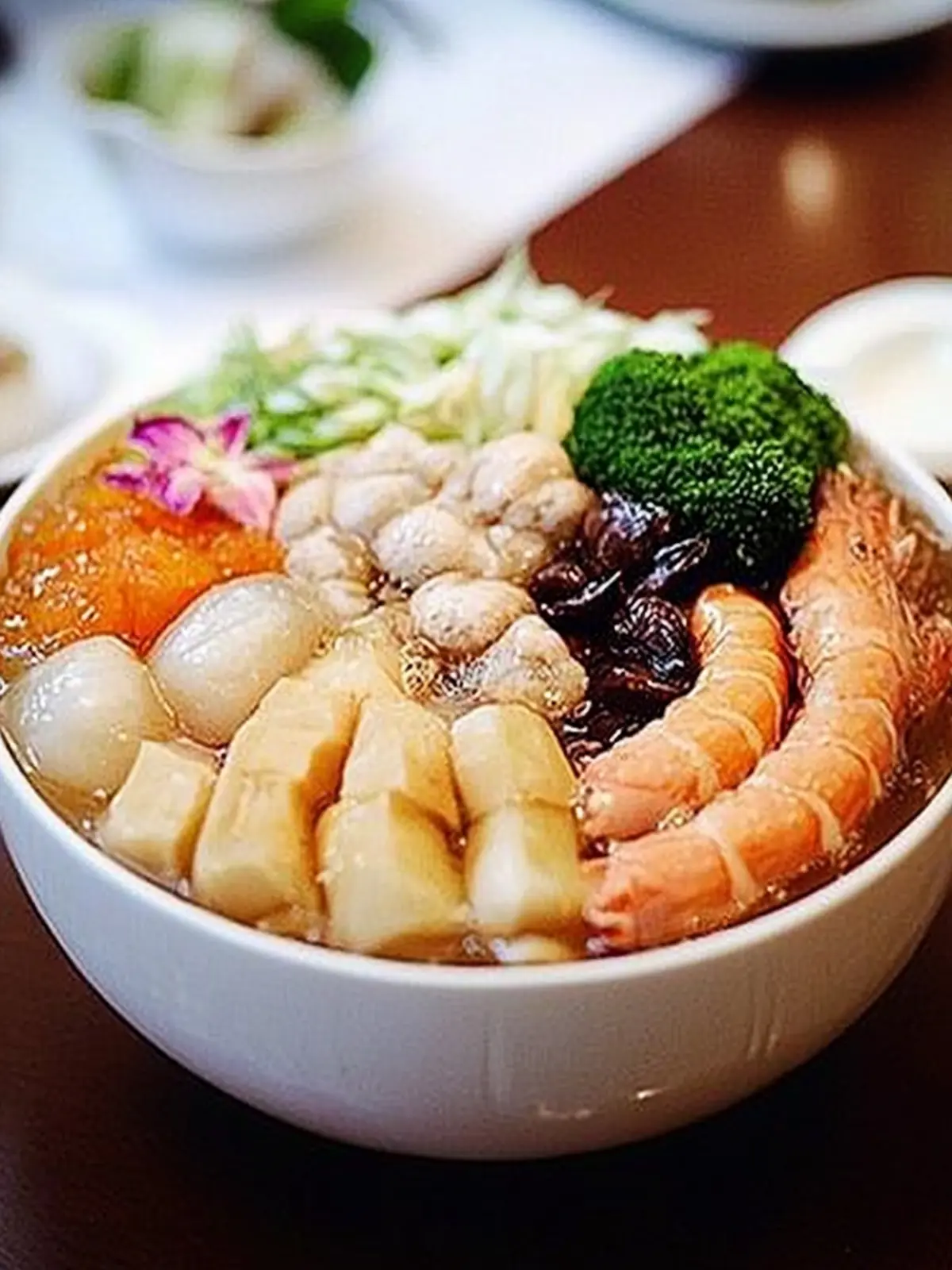
Savory Poon Choi: A Festive Treasure Pot for All Celebrations
Ingredients
Equipment
Method
- Soak the dried oysters and scallops for 40 minutes. In a separate bowl, soak the dried shiitake mushrooms in hot water until softened. Clean the prawns, rinse the fish maw, and cut into smaller pieces.
- In separate pots, cook the soaked oysters, scallops, and shiitake mushrooms in lightly salted water and chicken soup. Drain them after cooking and set aside.
- In a large pot, combine soy sauce, black sauce, ginger, rock sugar, pandan leaf, and scallions. Braise the pork knuckle in this mixture for about 1 hour, or until the meat is tender and flavorful.
- Layer the lotus root, radish, and beancurd stick at the bottom of a claypot, followed by fish maw, pork knuckle, goose web, and dried oysters. Keep layering until all ingredients are used.
- Cover the claypot with a lid and steam everything together for approximately 25 minutes to help the flavors meld beautifully.
- Carefully remove the lid and arrange the roasted chicken, duck, and prawns on top. Pour the rich broth over all the layers, ensuring everything is well-moistened.
- Combine all the broths that were used earlier, dissolve cornstarch in water, and mix it into the broth, boiling gently until it thickens slightly.